The real cost of hiring

When a role opens, the number most teams budget for is thesalary. It is the one cost everyone can see. The spend to fill the seat, andthe slow climb to full output once someone starts, stays off the budget line,and it is rarely small.
Before day one
Most of the early spend never reaches the new employee.SHRM’s 2025 Benchmarking Report puts the average cost per hire at around $5,475for a non-executive role and $35,879 for an executive one. That covers jobadverts and board fees, agency or search commission where it is used, and therecruiter and manager hours spent screening and interviewing. All of it stopsat the signed offer, and the larger costs come after it.
A role also rarely fills the moment it opens. UK surveys in2025 put the average time to hire at around five weeks, and longer for seniorpositions. While the seat is empty the work does not pause; it moves onto thepeople already there. PageGroup, working with the Centre for Economics andBusiness Research, estimated that unfilled vacancies and recruitmentinefficiencies would cost large UK organisations a combined £132.6 million inlost output across 2025, with the average large employer losing around nineworking weeks of productivity.
Then comes the ramp. A new hire spends weeks getting togrips with the systems and the context before the work is genuinely theirs, andthrough that stretch you pay a full salary for partial output. Onboarding addsits own bill: a manager loses delivery time to training, plus the kit andaccess to set someone up. For senior or specialist roles the ramp runs longer,because there is more to learn first.
When the hire does not stick
Not every hire works out. SHRM estimates the cost ofreplacing someone who leaves at 50% to 200% of their annual salary, once thesecond search and second onboarding are counted alongside the momentum lost inbetween. The more senior the role, the more rides on getting that one decisionright.
Why AI talent costs more
Every one of those costs gets sharper when the role is an AIone. The talent is scarce: the World Economic Forum reported in 2025 that 94%of business leaders face skill shortages in AI-critical roles, with one inthree putting the gap above 40% of the talent they need. Tight supply stretchestime to hire and pushes up pay, and whoever you land is easier for a rival topoach later.
It is expensive to begin with, too. PwC’s 2025 Global AIJobs Barometer found that workers with AI skills earned a wage premium ofaround 56% over comparable roles in 2024, up from roughly 25% the year before.Self-reported figures from Stack Overflow’s 2025 developer survey put themedian salary for an AI and machine learning engineer near $189,500 in theUnited States and $149,756 in the UK. The UK figure sits well below the US one,though that is cold comfort: British employers compete for the same scarcepeople against US firms hiring remotely, so the lower number often means losingthe candidate rather than saving the cost.
Every fixed cost from the earlier sections still stacks ontop of those salaries, and the ramp is harder to read, because the tools aspecialist was hired for keep shifting under them. There is a quieter cost aswell. When AI know-how sits with one or two people, everyone else queues fortheir time, which caps how far a single hire can take the wider business.
The capability you already have
There is another route to AI capability, and it does notstart with a job advert. Most organisations already employ people whounderstand the work: the finance team who know what the numbers mean, theoperations people who know where time gets lost. What they tend to lack is thepractical skill to apply AI to that work, and the judgement to tell when an AIoutput can be trusted.
That second part is where the real value sits. Producing anAI output is easy; telling a sound one from a confident-sounding wrong one isthe hard part, and it is the part a generic course tends to skip. Someonealready inside the business has a head start the open market cannot match. Theyknow the data and the processes, so the ramp is shorter and the result morepredictable. The skill is the missing piece, and skill can be taught.
IDC reported in 2025 that while 94% of senior leaders namedAI as their most in-demand skill, only about a third felt they had preparedtheir people for it, and only around a third of employees had received any AItraining in the past year. That gap sits in capability you already own ratherthan capability you have to buy in. The World Economic Forum’s guidance pointsthe same way, putting reskilling and upskilling at scale ahead of recruitmentas the first move on AI skill shortages.
Set that against a single senior AI hire in the UK: thesalary above, the search, the output lost while the seat sat empty, the ramp,and the odds it does not work out. A similar budget can put working AI skillsacross a whole team, applied to the work they already do. A finance manager,for example, can build an assistant that drafts monthly KPI commentary againstreal revenue and cost figures, instead of waiting in line for a central AIteam.
Where Etiq fits
This is the thinking behind Etiq Reskilling. Rather thanpush one generic course at everyone, it builds capability around the workpeople already do, using your own context and data, with verificationguardrails that check outputs against real data, so people learn to trust whatholds up and question what does not. Progress shows up in the work produced,not in modules ticked off.
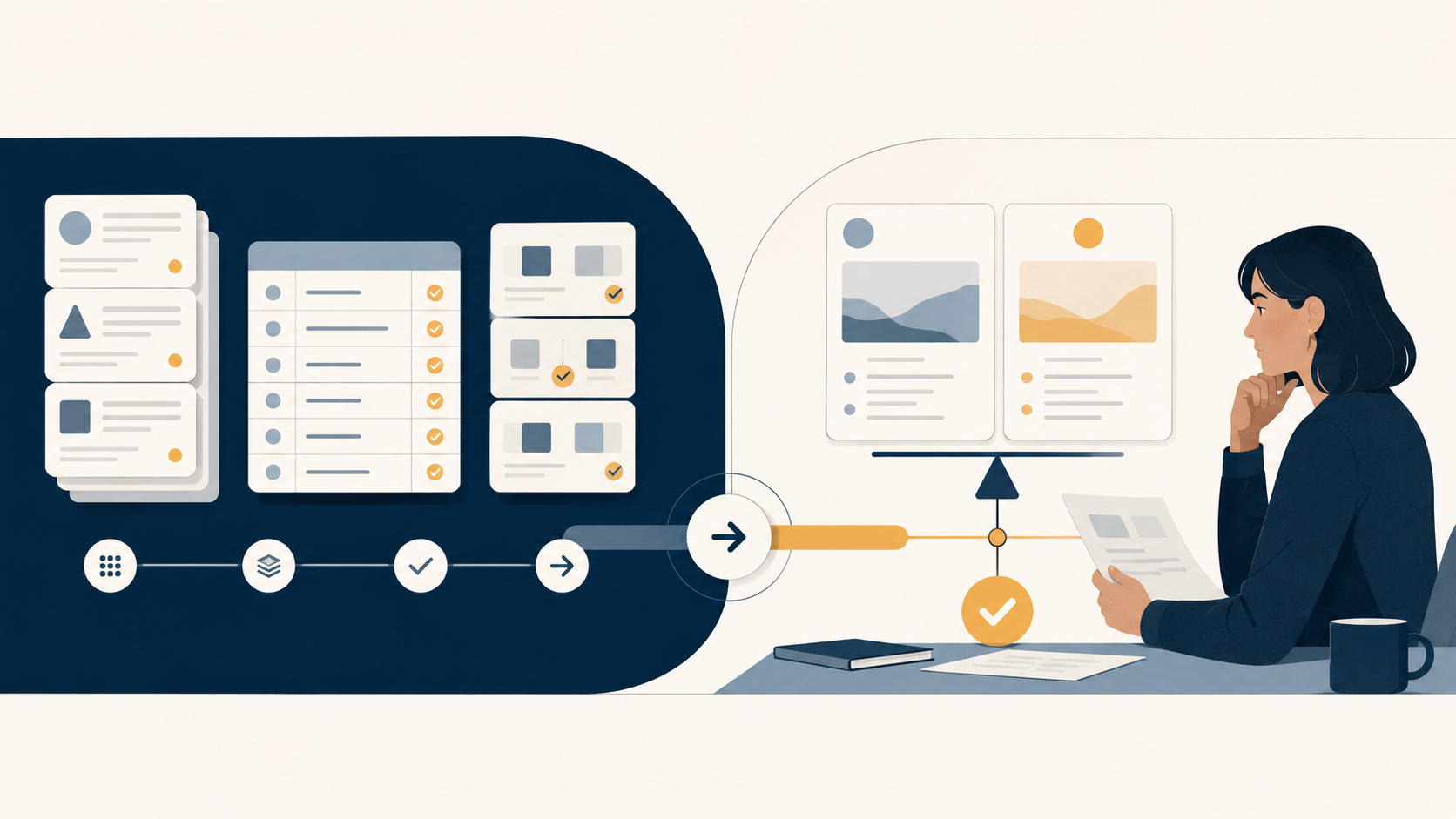
You do not have to take the comparison on faith. Etiq’ssimulator runs the numbers for a role of your choosing, setting what a hirewould cost against what it would take to reskill someone already on the team,and laying the two side by side. You can try it at simulator.etiq.ai.
Hiring has its place. Before treating it as the default, itis worth seeing its full cost next to the alternative.